RESEARCH OVERVIEW
The overarching theme of my research is how environmental changes impact ecosystems, and how these interactions between organisms and their environment are preserved in sediments and the rock record. My dissertation research focused on microbial ecosystems, investigating this question across a range of time and spatial scales in settings from the Archean to modern sediments and using a variety of biological, chemical, and geological tools. My current research considers similar types of questions in modern ecosystems.
Seasonality of flooding in a coastal upland forest
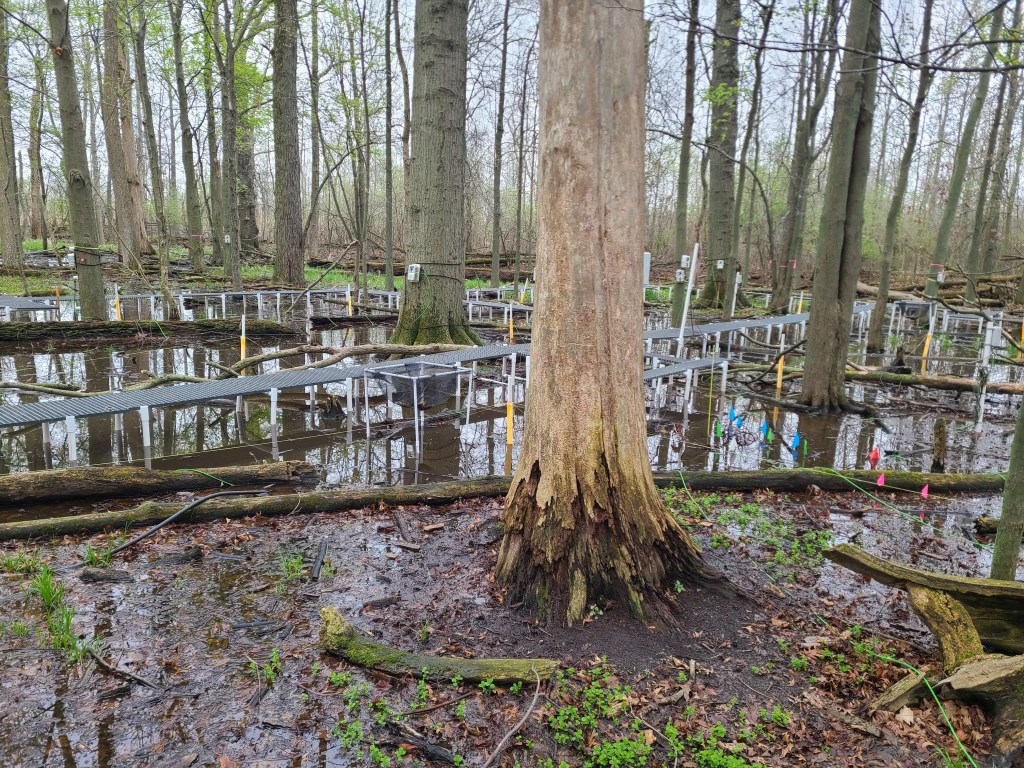
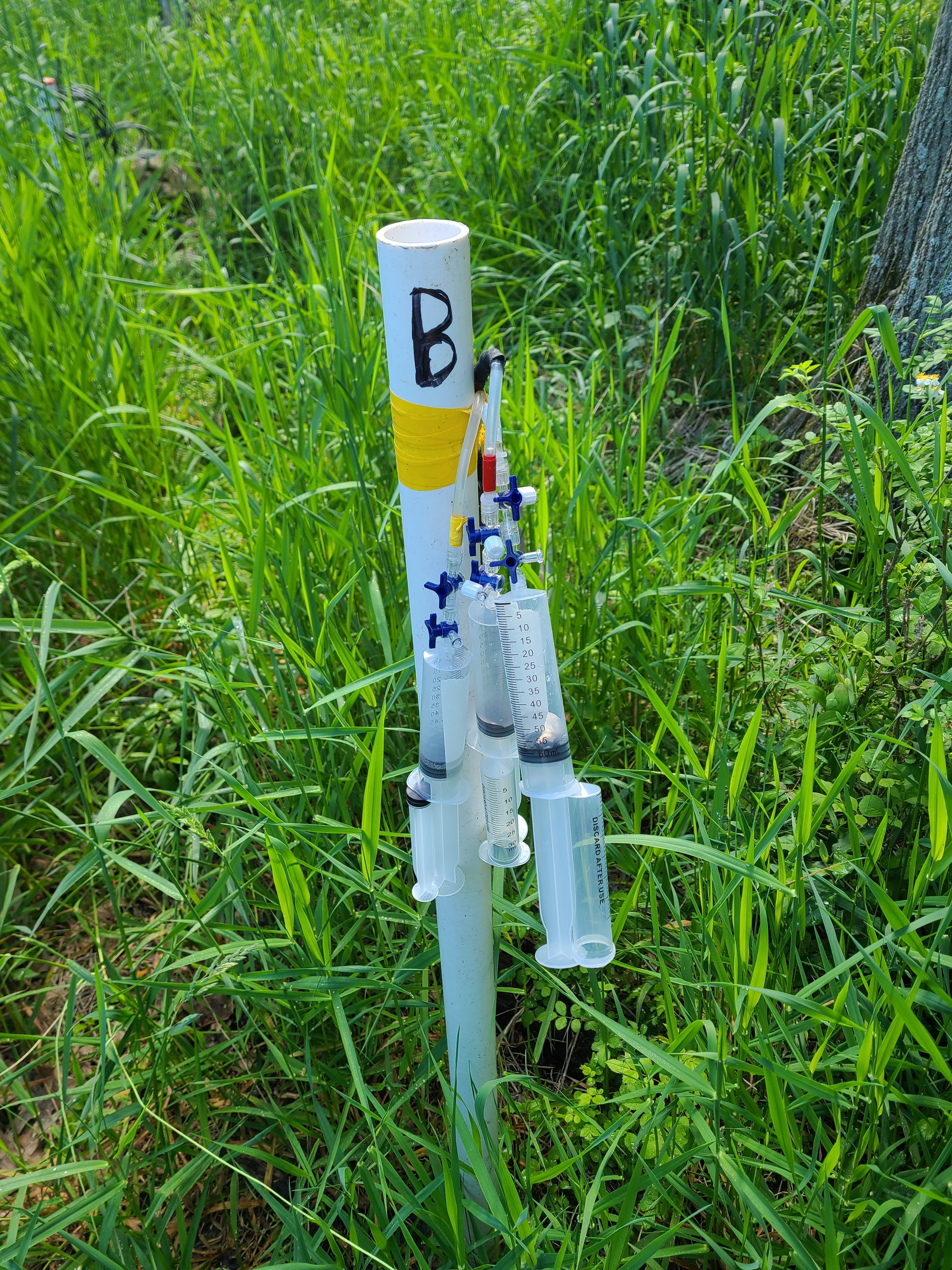
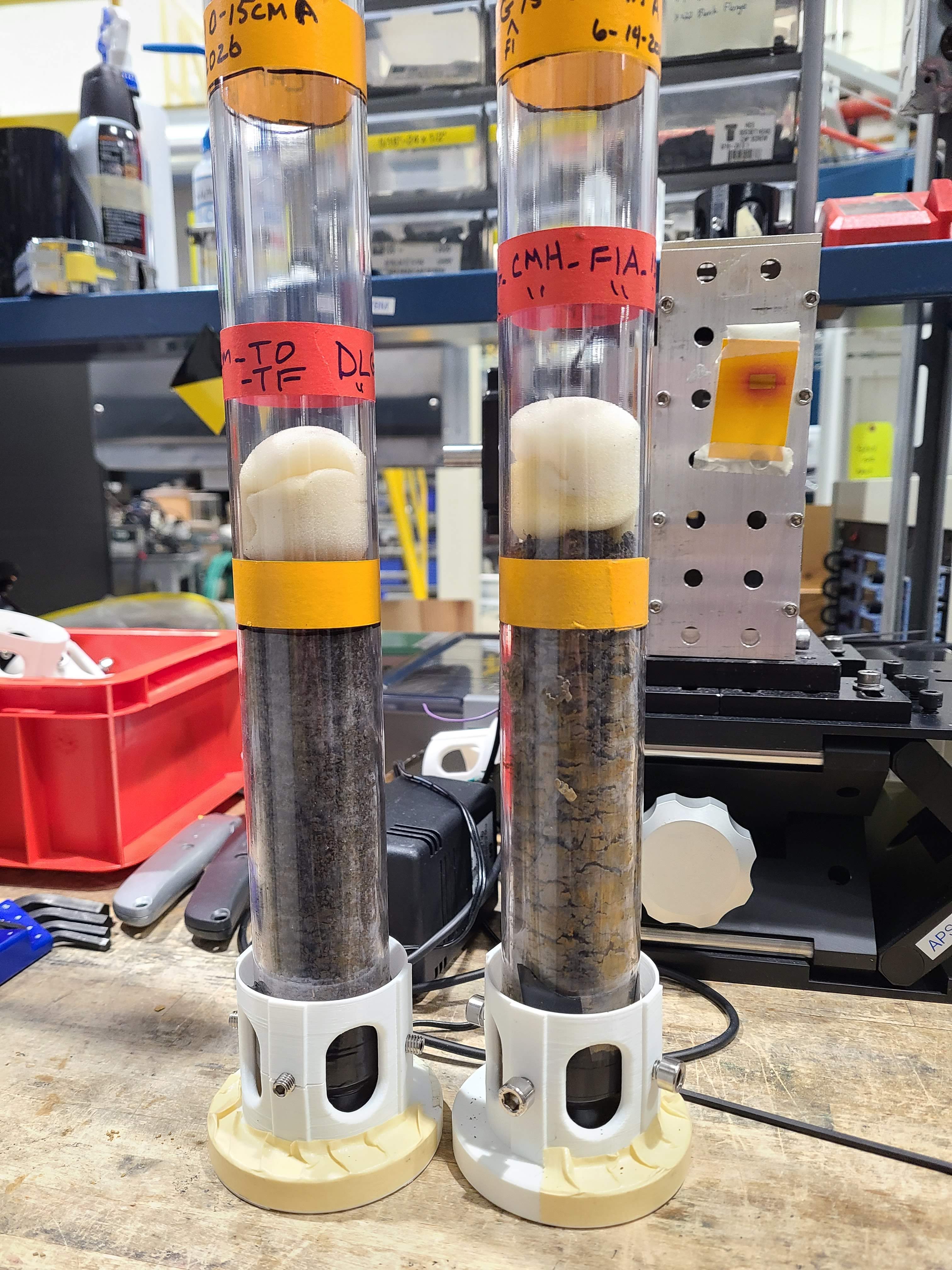
My current work as a postdoc will be investigating the impacts of flooding on coastal ecosystems. Specifically, I will be working on investigating how the seasonality of flooding impacts soil structure using CT scanning, as well as how plant roots change following flood events. I will also be identifying mechanisms of microbial transport, and whether flooding results in relocation of microbial functional groups, using a multi-omics approach. I will be studying these processes in a coastal upland forest near Lake Erie. This research is part of the COMPASS-FME project, a multi-institutional collaboration studying the impacts of flood events on the terrestrial-aquatic interface.
MICROBES, CARBON, AND CLIMATE IN AN ANOXIC LAKE HURON SINKHOLE
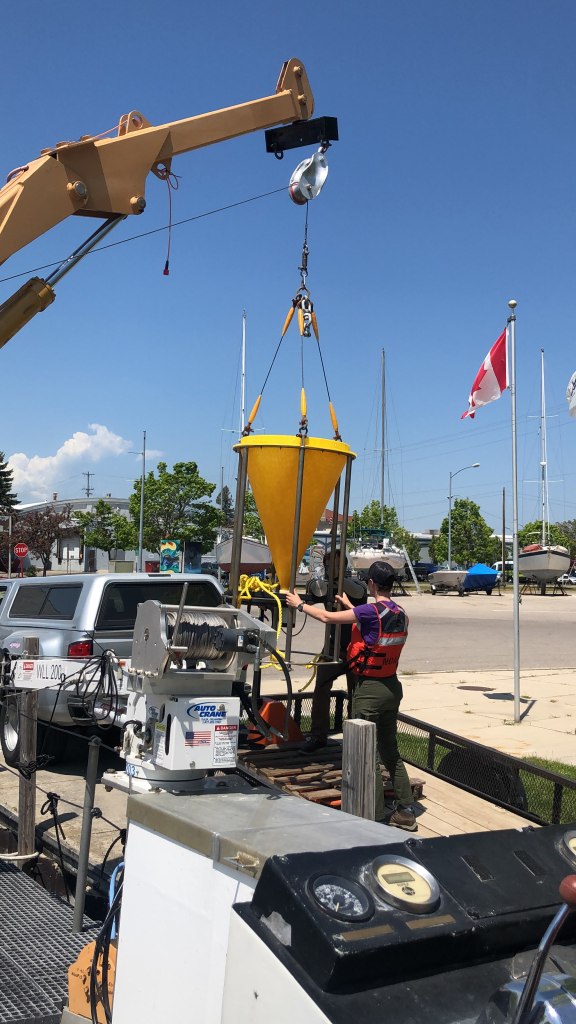
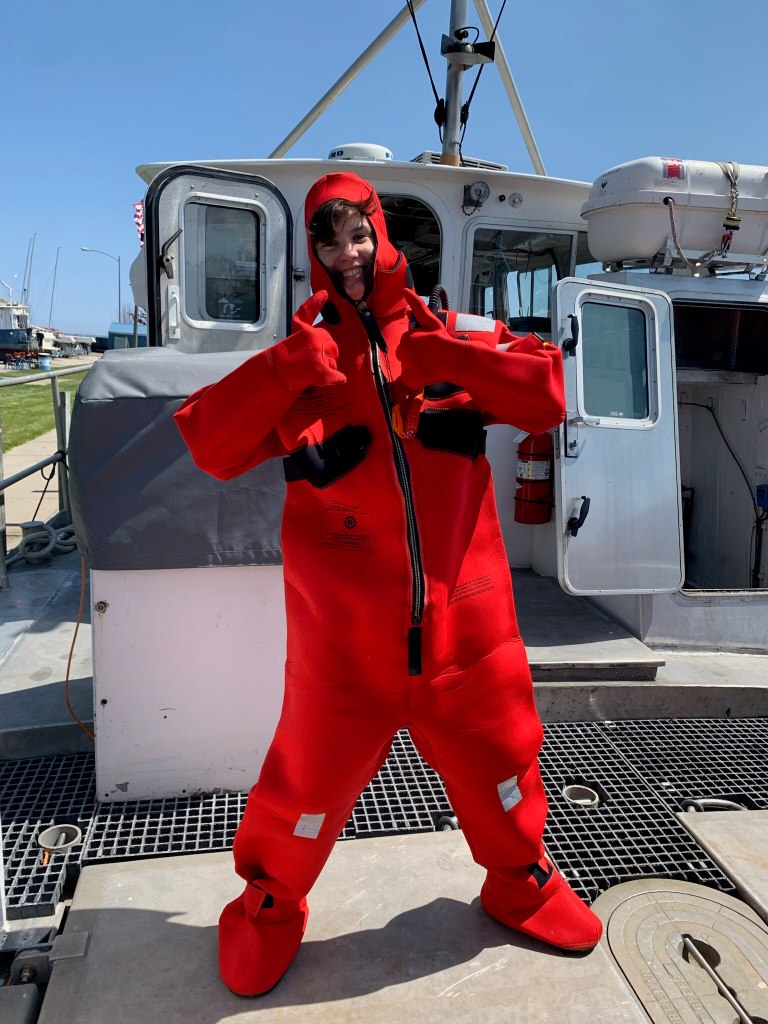
I studied how Middle Island Sinkhole, an anoxic sinkhole ecosystem in Lake Huron is responding to changing climate. I worked with sediment carbon and nitrogen data alongside weather station and satellite-derived climate and environmental data to understand how changing climate, particularly ice cover and precipitation, drives sediment geochemistry. We found that more carbon from phytoplankton was present in sediments in years with low ice cover (Howard et al., 2026).
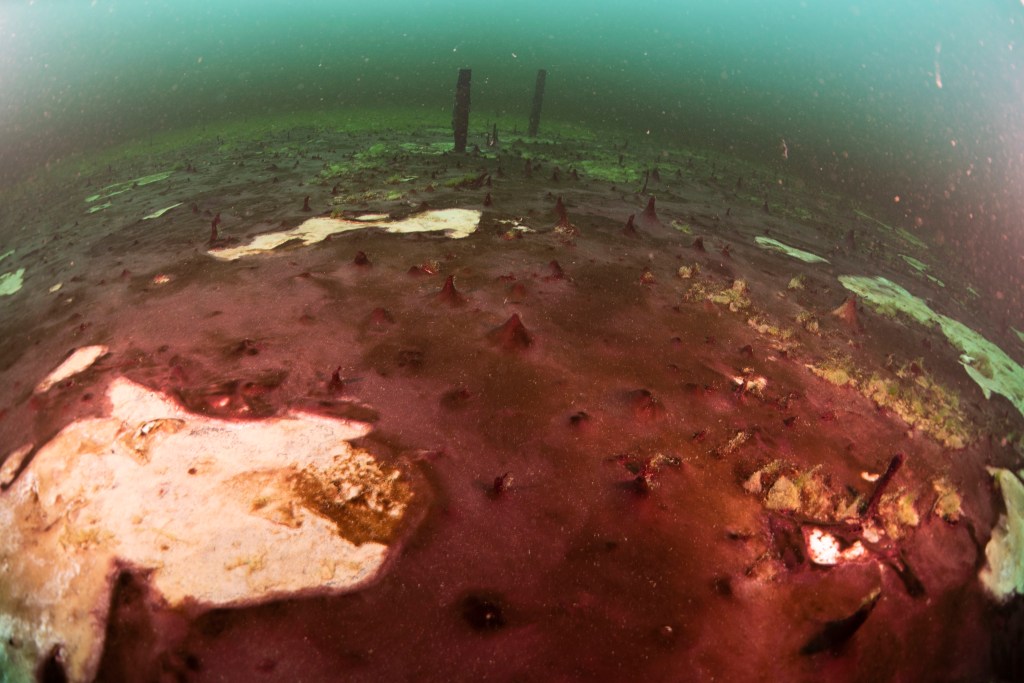
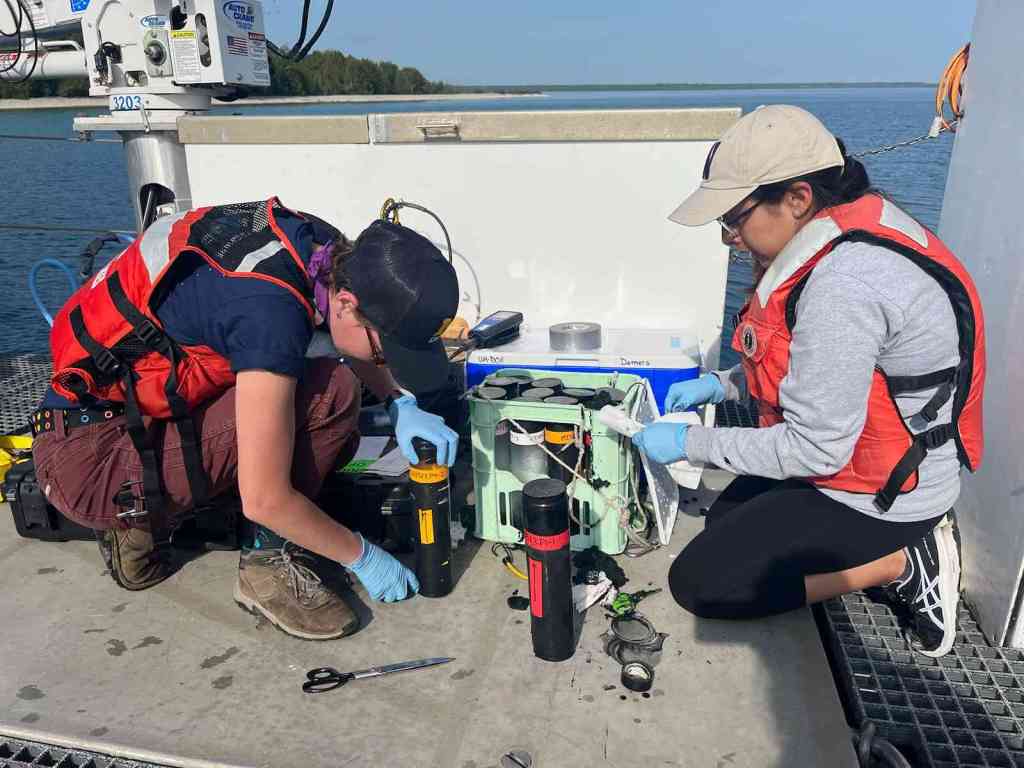
I also investigated how the microbial community at MIS is changing year to year using 16S community sequencing.
For projects at MIS, we worked closely with researchers at the NOAA Thunder Bay National Marine Sanctuary, who provide logistical support and resources that are integral to our work.
MODERN gypsum microbialites IN A MARS ANALOGUE ENVIRONMENT
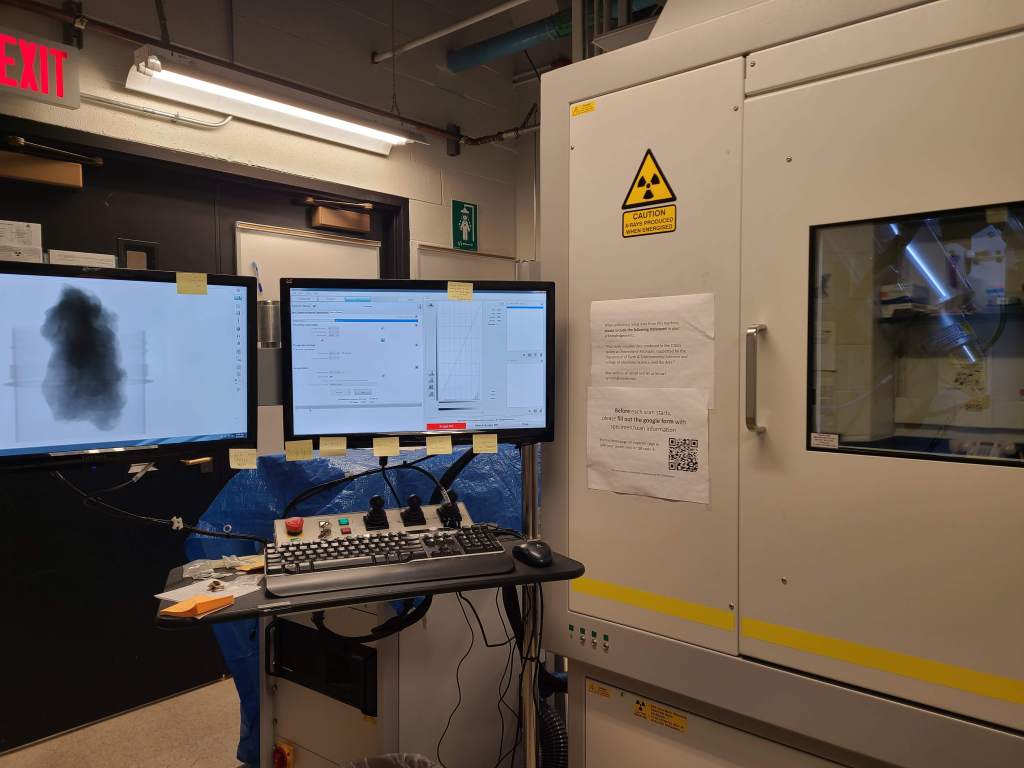
I am collaborating with researchers at multiple institutions to study modern gypsum microbialites forming around a saline and iron-rich spring in the Qaidam Basin, a cold, arid desert in China. We are using a variety of analytical approaches, including microCT scanning, XRD, Raman spectroscopy, and SEM analysis to investigate the mineral fabrics and microbialite architecture to understand how these structures formed and their potential applications as an analogue for Martian environments.
MICROBIALITES AS RECORDS OF ENVIRONMENTAL CHANGE IN THE EOCENE GREEN RIVER BASIN
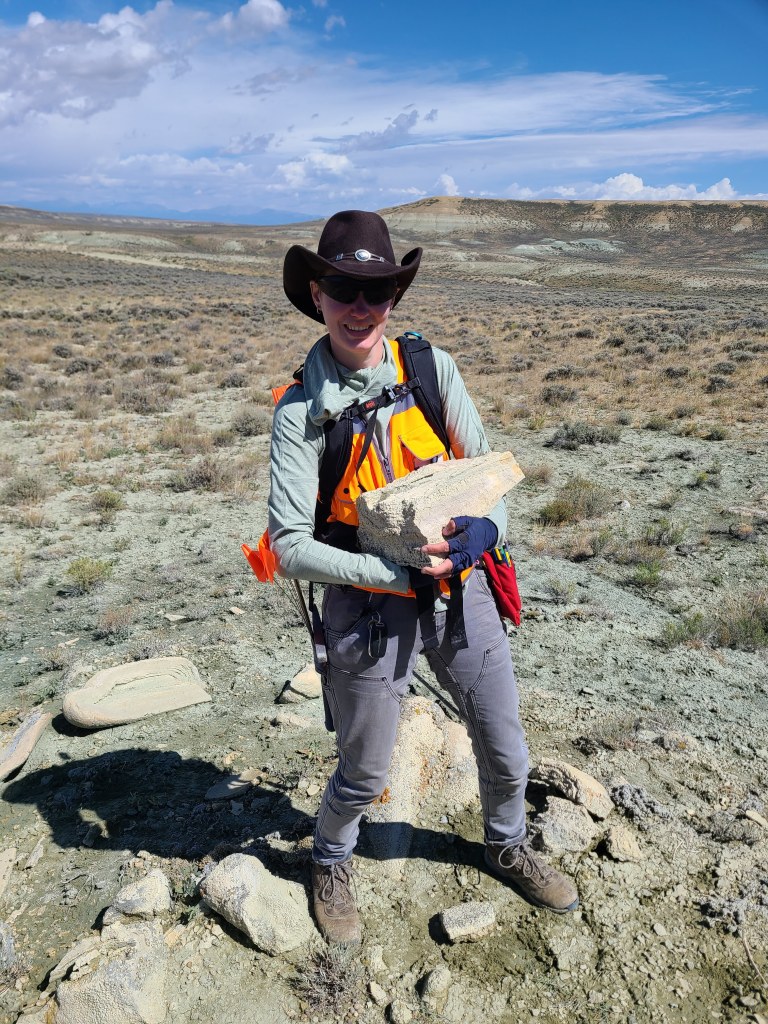
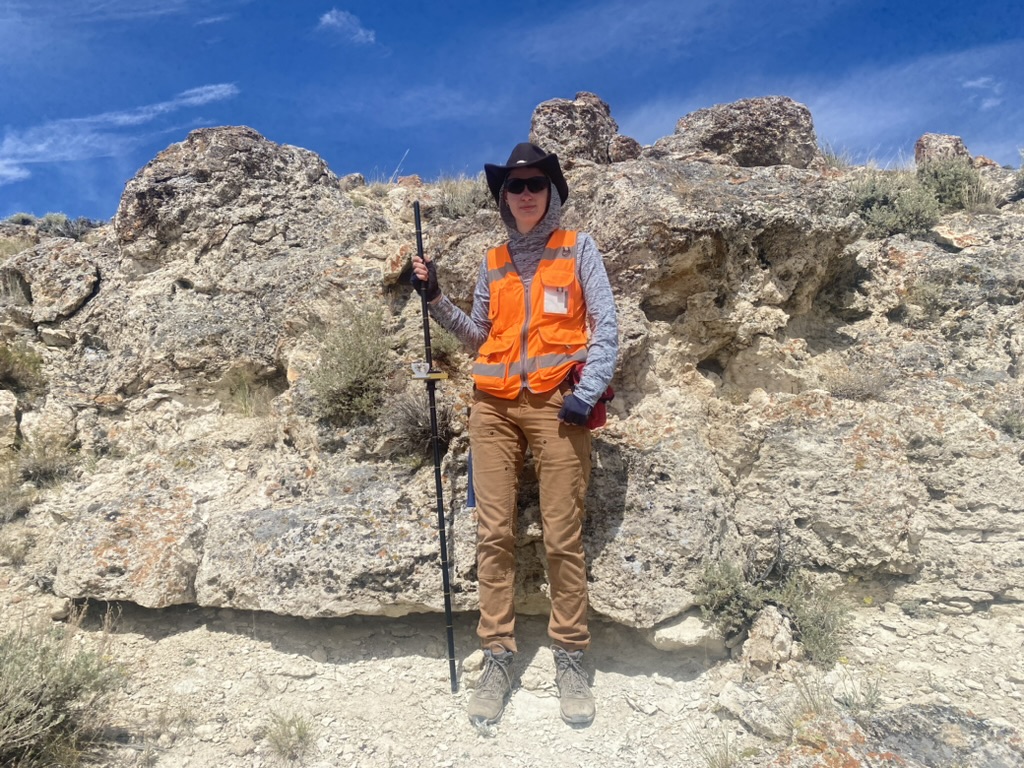
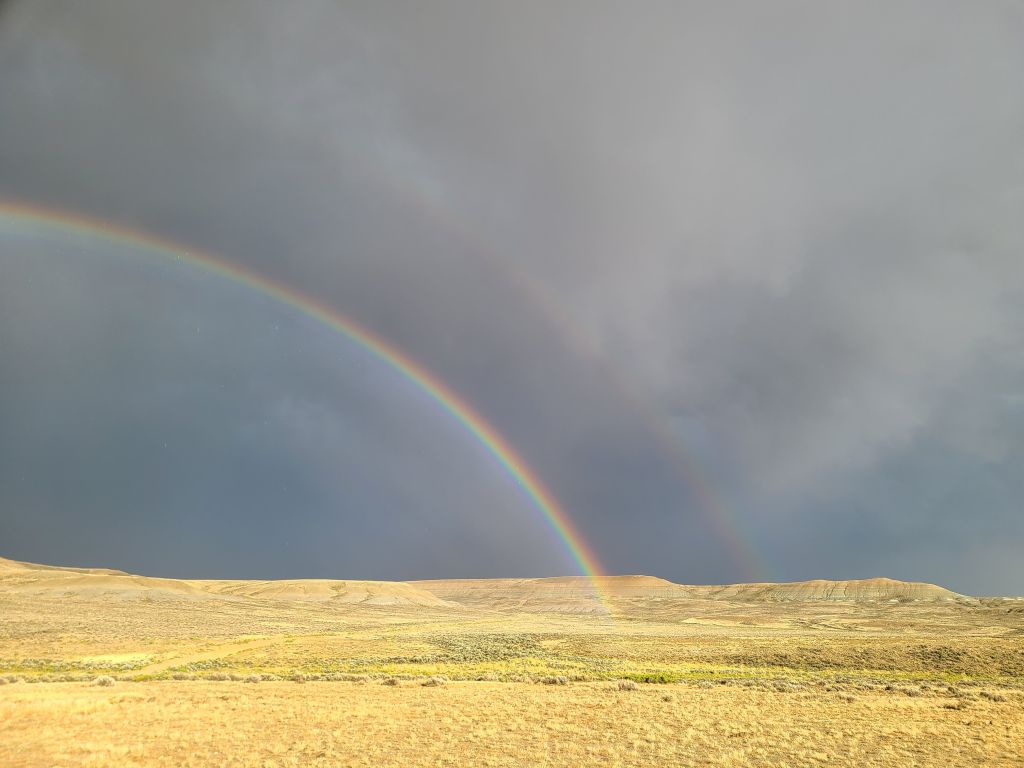
I worked with microbialites from the Eocene Green River Basin of Wyoming to study how the dramatic changes to the environment in which these microbialites were deposited are recorded. These microbialites formed in a paleolake during the Early Eocene Climatic Optimum, a period of extraordinarily high atmospheric carbon dioxide. This lake also varied dramatically in size and chemistry while microbialites were forming. I used microCT scanning alongside an array of geochemical techniques, including electron microprobe analysis and clumped isotope paleothermometry, in order to link morphological changes in microbialites to chemical and environmental shifts such as lake depth, temperature, and water chemistry.
MICROBIALITE DEPOSITIONAL ENVIRONMENTS
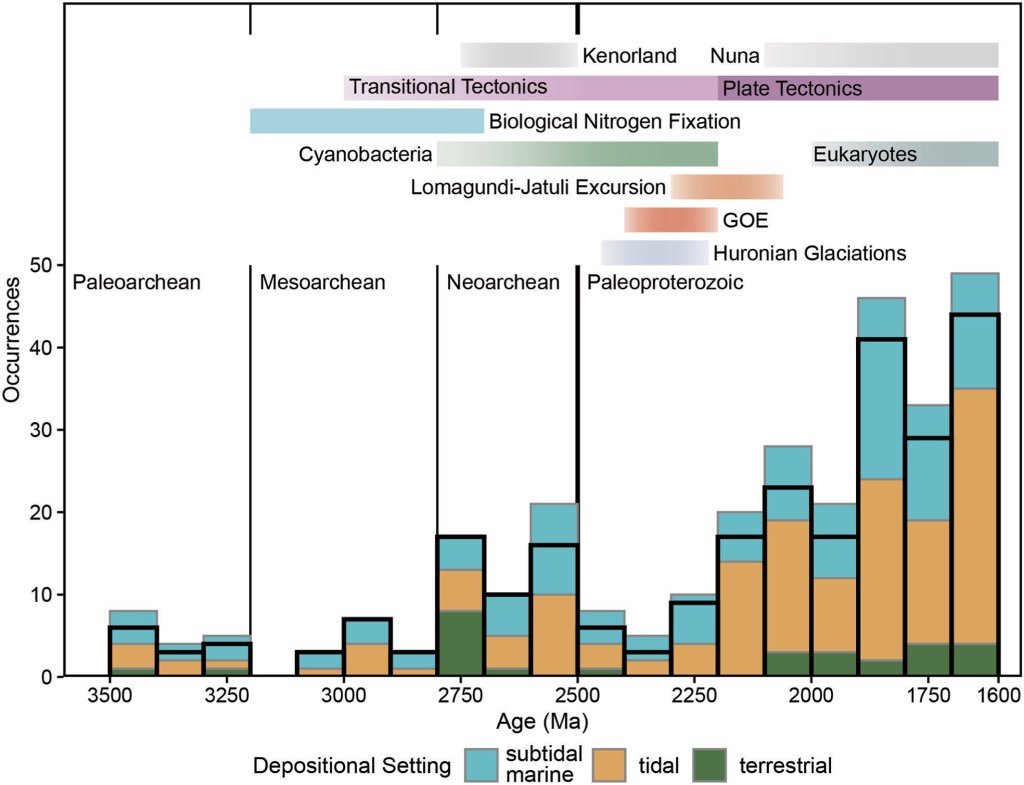
I used data from the literature to compile occurrences of microbialites and early terrestrial life in the Archean (Sheldon et al., 2026; chapter is behind a paywall) and Paleoproterozoic (Howard and Sheldon, 2025) in order to understand how (1) the advent of a terrestrial biosphere may have impacted nutrient cycling and delivery and (2) the depositional environments in which early life was preserved changed across major boundaries. My work on the Archean showed the ubiquity of life in tidal and terrestrial ecosystems, emphasizing the importance of considering the influence of emergent land on the development of these early microbial communities. I expanded this work into the Paleoproterozoic to investigate how microbialite distribution changed following major changes such as the Great Oxidation Event, the Huronian Glaciations, and the advent of modern plate tectonics (Howard and Sheldon, 2025).
USING 3D IMAGERY TO INVESTIGATE ARCHEAN MICROBIALITES
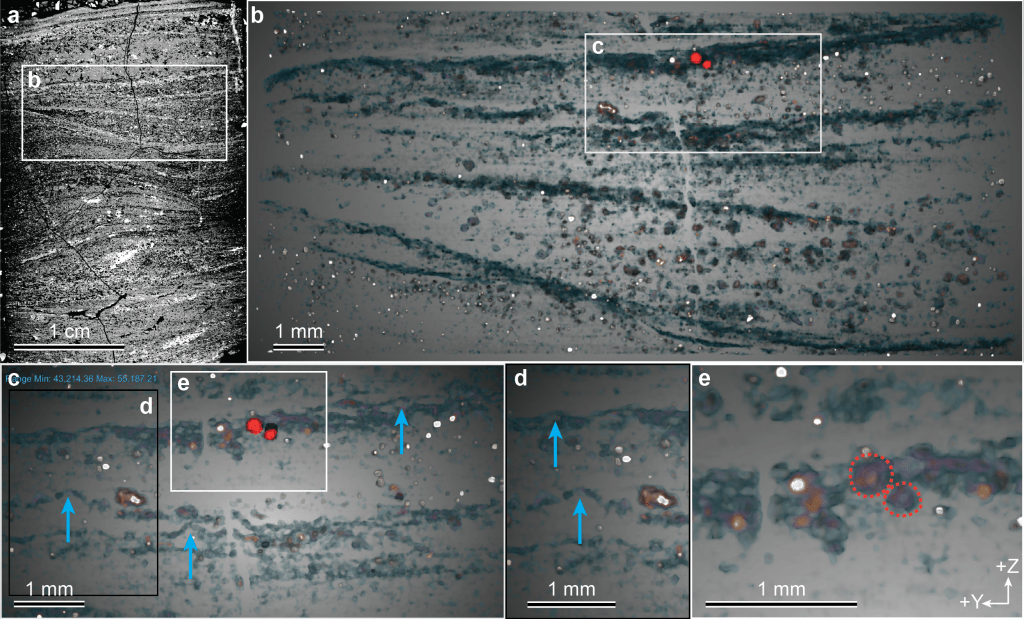
We used microCT scanning to reconstruct morphologies of Archean (3.48 Ga) microbially induced sedimentary structures (MISS) from the Dresser Formation. This study demonstrated the capability of microCT scanning to visualize and make 3D measurements in order to understand biotic-environmental interactions. We identified fossilized mat laminae with trapped grains and tufts (see figure to left), as well as making measurements of fossilized mat chips that were consistent with sporadic influence from high velocity flow such as extreme tidal events.
INSTRUMENTATION WORK
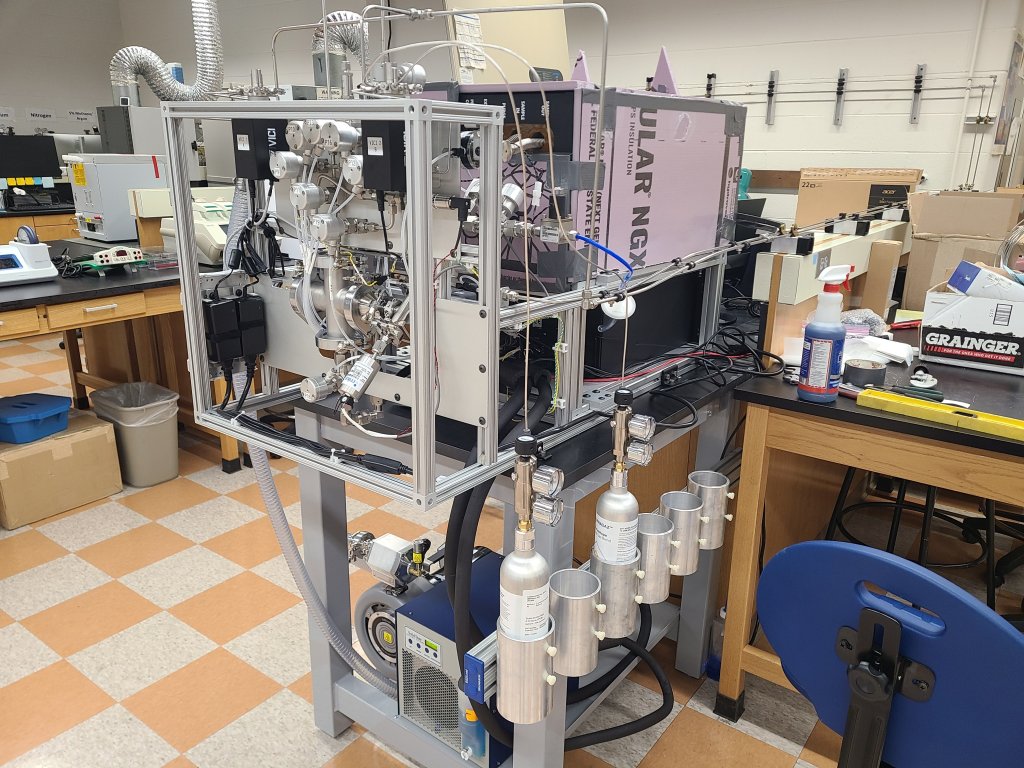
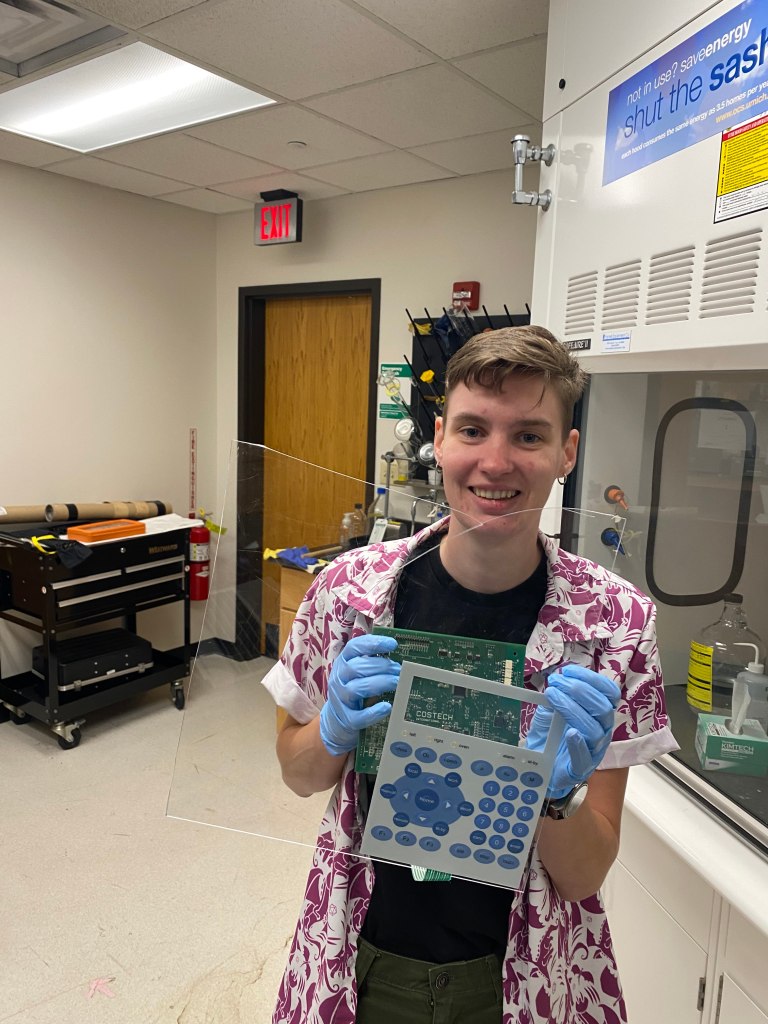
Much of my research experience has also included instrument set-up, maintenance, and troubleshooting. In my current position, I am setting up a new Aerodyne TILDAS for dual isotope analysis of methane. Previously, I worked with a Picarro G2201-i CRDS with a combustion module (stable carbon isotopes) and a Costech ECS4010 elemental analyzer (carbon and nitrogen). For those instruments, I was responsible for training new users and conducting both routine and non-routine maintenance, even setting up a new combustion module and replacing instrument motherboards.
RESEARCH PHOTOS